ServicesInvisalign / Clear Aligners
Invisalign and Clear Aligners in Ashland
Clear aligners move teeth a little at a time with snug plastic trays you swap out every week or two. We check your teeth and bite first, then tell you plainly whether aligners will do the job, how long it should take and what drives the cost.
What clear aligners do, and when they make sense
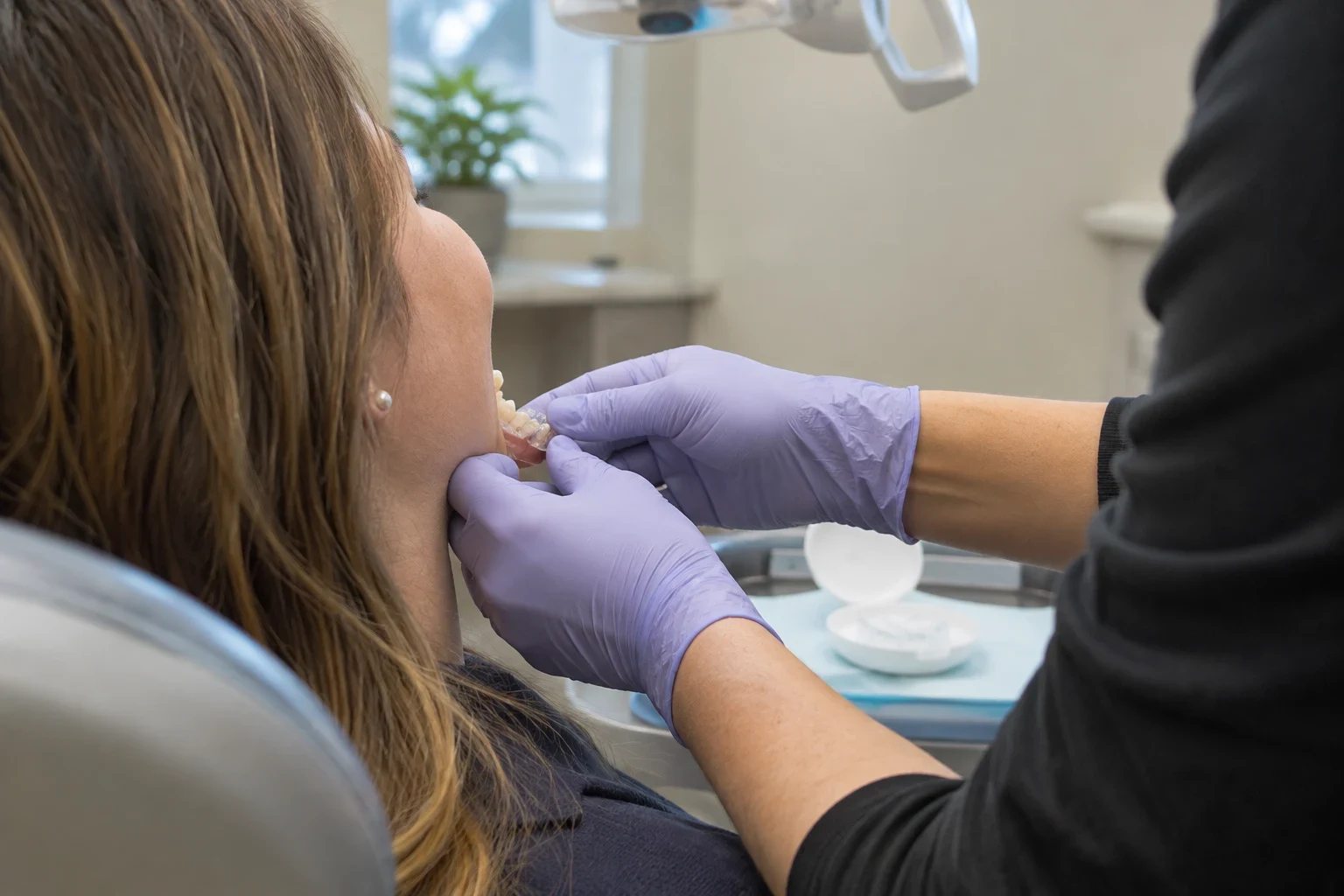
Each aligner is shaped slightly different from your teeth as they sit now. Wear it, and it presses them toward the next position. After a week or two you move to the next tray. Over a series of trays, crowded teeth line up, gaps close and many bite problems ease.
Aligners work well for mild to moderate crowding, spacing, and teeth that drifted after braces years ago. Some cases need more than trays can give, like large jaw differences or teeth that must rotate a long way. If yours is one of those, we say so at the first visit instead of selling you a plan that stalls halfway.
We are an Invisalign provider and have been in practice over 11 years. That means we plan your trays, watch your progress at checkups and adjust when teeth lag behind.
What comes with your aligner treatment
Exam and digital scan
We check teeth, gums and bite, and use a digital scanner in place of messy impression trays. Any cavities or gum issues are treated first, so aligners go on a healthy mouth.
A look ahead at the movement
Your scan turns into a stage-by-stage plan of how the teeth will shift and about how many trays that takes. You review it before you agree to anything.
Attachments if your case needs them
Tiny bumps the color of your teeth go on certain teeth to give the trays a grip. We remove them when you finish and polish the tooth smooth.
Progress visits
Brief appointments every several weeks to make sure teeth are moving as planned. If one falls behind, we adjust.
Fine-tuning trays
Teeth don't always land exactly where the plan says. An extra set of trays to polish the result is common, and we explain how that works at the start.
Retainers
Teeth tend to slide back. Wearing a retainer at night over the long term keeps the result in place.
When aligners may be worth a look
Teeth that crowd or overlap
Overlapping teeth hold food and plaque, so flossing gets tricky and those spots are more likely to get cavities and gum problems.
Spaces getting wider
Gaps between front teeth can open up over the years and let food press into the gums.
Teeth have moved since braces
Lots of adults wore braces as teens and later stopped wearing the retainer. When teeth drift back that way, aligners are often a good way to return them to place.
Worn edges or a bite that feels wrong
Teeth that meet unevenly can chip or flatten sooner in spots. Fixing the bite can slow that down.
You avoid smiling
That matters as well. If metal braces are what kept you from starting, trays are nearly impossible to notice day to day.
From first visit to final tray
- 1
Exam and scan
We examine your teeth, scan them and answer the main question: will aligners work for you. You leave with an estimated length of treatment and an idea of what affects the price.
- 2
Your first set
At a short visit we place any attachments and hand you your first trays. You practice snapping them in and out before you leave, and we go over a simple way to keep them clean. Expect a day or two of pressure with each new tray.
- 3
Daily wear
Wear the trays roughly 20 to 22 hours each day. Remove them for meals and for any drink other than plain water, and brush before they go back in. Skipped hours are the top reason treatment takes longer.
- 4
Progress checks and wrapping up
We see you every several weeks to confirm teeth are moving on schedule. At the end we remove the attachments, order extra refinement trays if your teeth need them and fit your retainer.
What drives the cost of aligners
No two cases move the same way, so there is no flat price for aligners. After we scan your teeth, we hand you a written price and list what it covers. Most dental insurance plans are accepted here. If you have no coverage, our Office Dental Plan is an option, and the CareCredit Patient Payment Plan splits the cost into payments.
- How far your teeth have to travel
- Two front teeth that are turned a bit take far fewer trays than crowding across the top and bottom. More trays mean more weeks and a higher price.
- Fixing the bite
- Lining teeth up is one job. Changing the way upper and lower teeth come together adds stages and often small rubber bands.
- Work that comes first
- A cavity, gum disease or a cracked tooth gets treated before you start trays. That work has its own charge, and we list it in the full plan you receive.
- What your plan pays
- Some plans carry orthodontic benefits with a separate cap, and many adult plans carry none at all. We look up your benefits and tell you the amount before treatment starts.
- The retainer at the end
- A retainer keeps teeth from sliding back after treatment. You hear its price at the very start, so the last visit holds no surprise.
Common questions about clear aligners
Something not covered here? (508) 449-9463
Are aligners painful?
A new tray usually feels tight or snug for a day or two, which means the teeth are shifting. Over-the-counter pain relief generally handles it, and it eases as treatment goes on.
How long will I be in treatment?
Mild cases may wrap up in several months. Heavier crowding or bite correction runs longer, often past a year. The scan gives us a fair estimate, and the hours you wear your trays decide whether you meet it.
Will I be able to eat what I like?
Yes, since you take the trays out at mealtimes. Brush, or at least rinse, before they go back in so food doesn't sit against your teeth. Plain water is fine while wearing them.
Do aligners beat braces?
Not in every case. They are simpler to clean and hard to spot, but they only work when worn. Some complicated tooth movements go better with braces. We'll tell you which suits your teeth.
What if I lose one of my trays?
Give us a call. Usually you switch to the next tray or return to the last one while we get a replacement. Don't go without trays, because teeth can move back fast.
See whether aligners suit your teeth
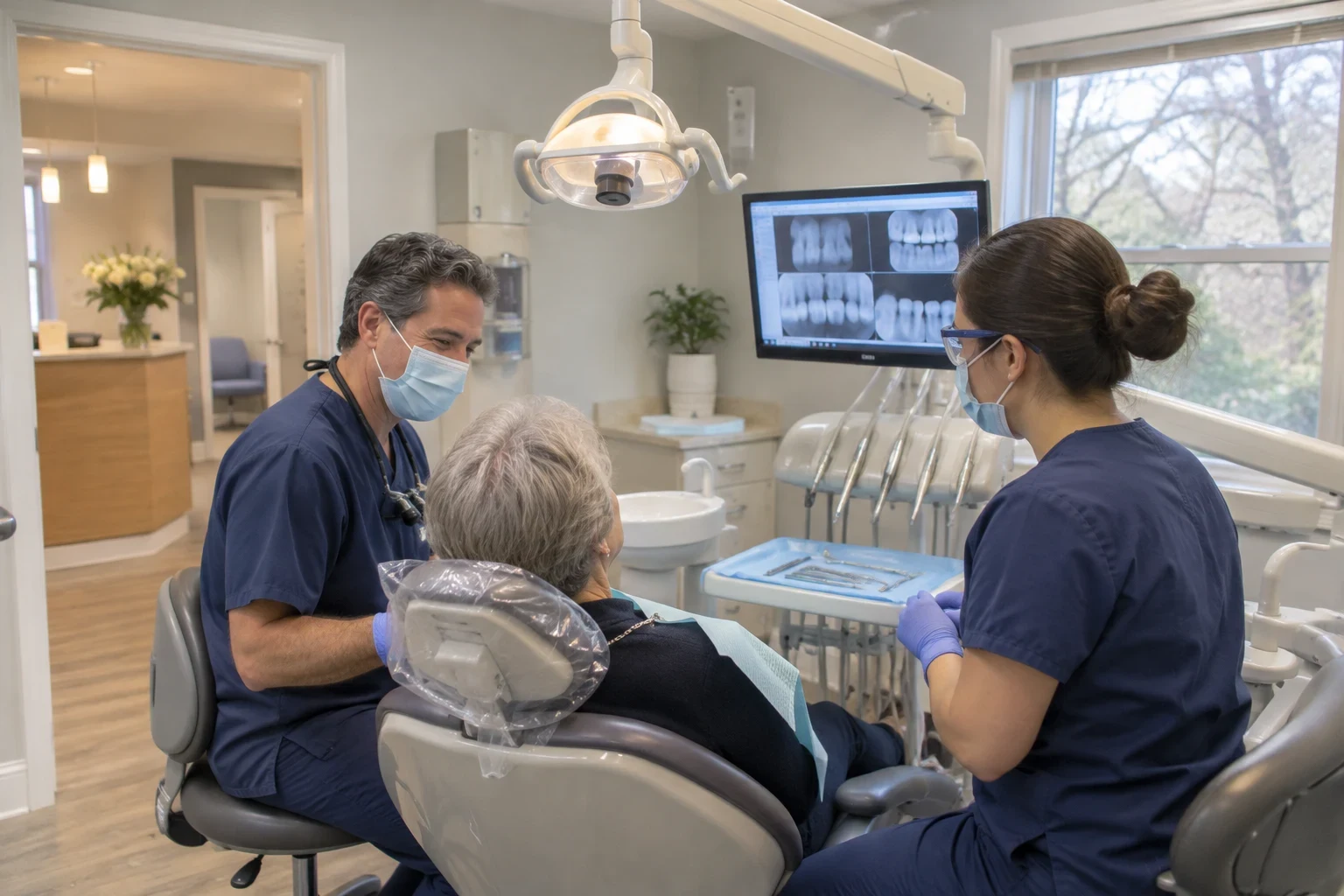
A single visit covers the exam, the scan and a straight answer on cost and timing. Patients travel to us from Ashland, Framingham, Hopkinton and nearby towns.