ServicesExtractions
Tooth Extractions in Ashland, MA
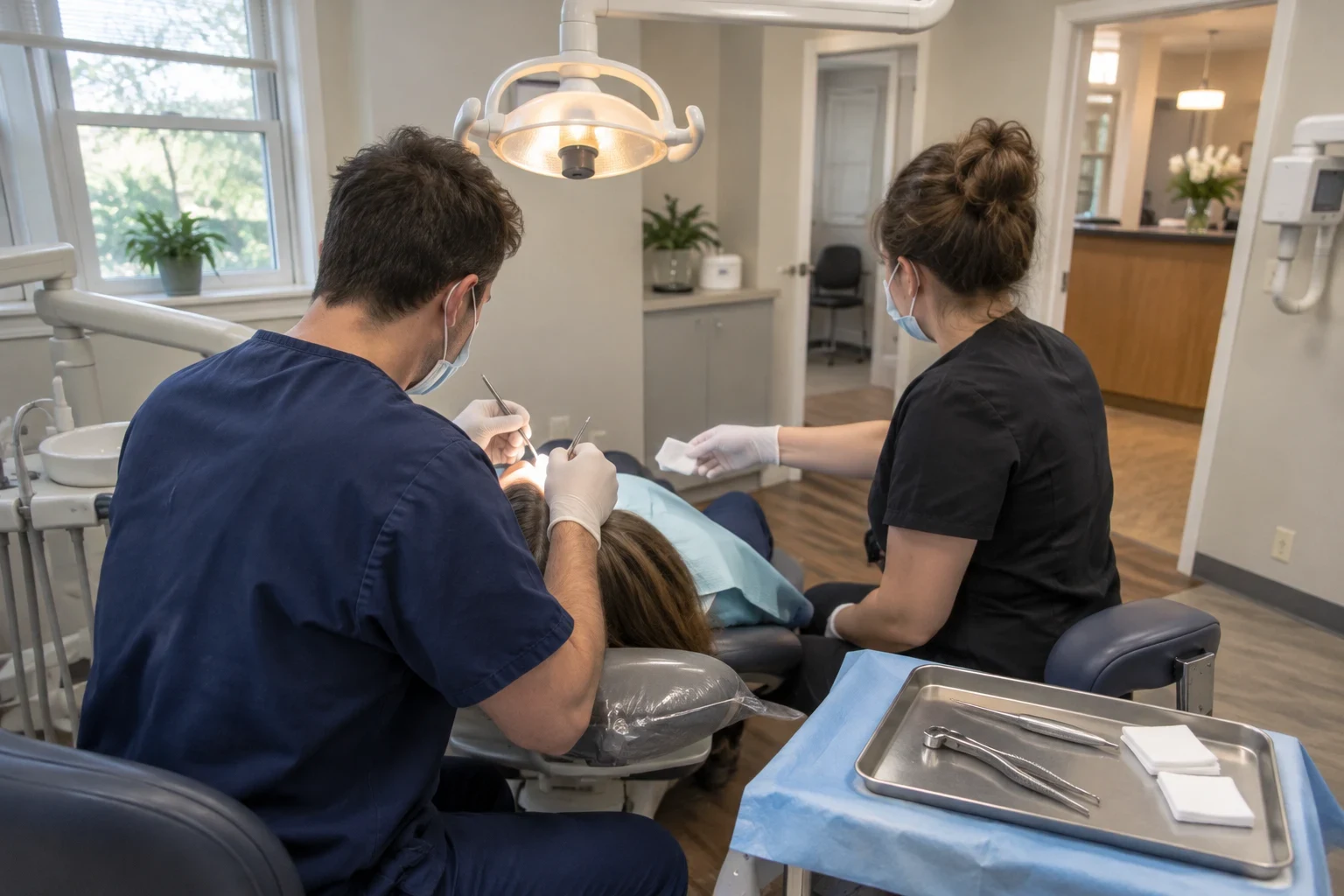
Sometimes a tooth can't be saved, or it is causing more trouble than it is worth. We take it out gently, numb you well first and tell you plainly why it needs to come out, what it costs and how to heal.
When taking a tooth out makes sense
Keeping your own tooth is our starting point. A filling or a crown handles a lot of problems. But when decay runs deep below the gum, when a crack goes down into the root or when there simply is no room for the tooth, removal is often the cleaner answer.
Before anything is decided, we take an X-ray and go over it with you. If the tooth can stay, we tell you and explain what keeping it involves. If it can't, you hear that just as plainly. We have been in practice over 11 years, and a straight answer has saved our patients more money than any pitch ever could.
What comes with an extraction visit
Exam and X-ray to start
We check the root shape, the surrounding bone and how close the tooth sits to a nerve or the sinus. That shows whether it's a simple or a surgical removal.
Thorough numbing
We give local anesthetic and let it fully work before touching the tooth. You'll feel firm pressure, not sharp pain. If something does feel sharp, tell us and we stop.
Simple or surgical
A simple extraction removes a tooth we can see and hold. A surgical one handles teeth broken off or trapped under the gum, and can involve a small opening and a few stitches.
Aftercare in writing
You leave with gauze and clear written steps for bleeding, swelling, eating and pain, so nothing is left to guesswork at night.
What to do about the gap
Losing a back tooth can let nearby teeth shift. We go over options such as a bridge, explained on our Crowns & Bridges page, and whether anything is needed.
When a tooth may need removing
Pain that returns
A deep ache, throbbing or soreness when biting can signal infection near the root. It may or may not be treatable, and an exam shows which.
Broken off at the gum
When too little tooth remains above the gum, there's nothing for a crown to grip.
A swollen spot or bump on the gum
This usually signals infection. Book soon instead of hoping it calms down.
Wisdom teeth that ache or catch food
Wisdom teeth that have only partly come in are tough to clean and tend to get inflamed. Not all of them need removal, and we'll tell you if yours can stay.
Too crowded for aligners
Some mouths are too crowded to straighten as they are. As an Invisalign provider, we can tell you whether space must be made first or whether no teeth need to come out.
An adult tooth that wobbles
Severe gum disease can loosen teeth beyond the point where they can be saved.
How the day goes
- 1
Check and talk
We look at your X-ray together, confirm the plan and answer your questions. You know the cost before we begin.
- 2
Numb the area
The tooth and the gum around it get numbed, and we give the anesthetic time to take full effect.
- 3
Take the tooth out
We gently work the tooth free of its socket and remove it. A simple one is often done in a few minutes. Surgical cases take longer.
- 4
Close and protect
Gauze goes in, stitches if needed, and we make sure bleeding is easing before you head out.
- 5
Heal and follow up
Most patients feel better within a few days. Skip straws and smoking so the clot stays in place. If you had stitches, we will see you again to check them.
What decides the cost of an extraction
Once we've reviewed the X-ray, you hear the price before we begin. A handful of things set it. We take most dental insurance plans, uninsured patients can join our Office Dental Plan, and the CareCredit Patient Payment Plan is available if you'd like financing.
- Simple versus surgical
- An intact tooth that comes out cleanly means a shorter visit and a lower price. A tooth that's broken off, trapped under the gum or needs stitches makes it surgical, which costs more.
- Root shape and position
- Long or bent roots, hard-to-reach back molars and upper teeth near the sinus all call for more time and care.
- How many teeth
- Taking out several teeth at one visit is often more efficient than separate trips for each.
- Infection present
- An infected area may need medicine before the tooth comes out, which can add a visit.
- Filling the space
- A bridge or other replacement has its own price. We show it on a separate line so you can decide about it later.
Extraction questions we hear often
Something not covered here? (508) 449-9463
Does getting a tooth pulled hurt?
With the tooth and gum fully numb, you should not feel pain while it comes out. You will feel pressure and some pushing as we loosen it. It is normal to be sore for a few days after, and over-the-counter pain relief is usually enough.
Can you save the tooth instead?
Sometimes. If a filling or a crown can keep it working, we will say so. When a tooth is split through the root or too little of it is left, taking it out is usually the better choice.
When can I go back to regular meals?
Stick to soft, lukewarm foods for the first day or two, like yogurt, scrambled eggs or soup that has cooled down. Chew on the other side. Most patients are back to their normal meals in about a week.
Do I have to replace the tooth?
Not always. A front tooth or a main chewing tooth usually should be replaced, because the neighboring teeth can tip into the gap. Wisdom teeth and some other back teeth never need replacing. We will tell you which group yours is in.
Does insurance cover extractions?
Most dental plans pay part of the cost. We accept most plans and will go over what yours covers before we begin. If you have no insurance, ask us about the Office Dental Plan.
Have a tooth that's bothering you
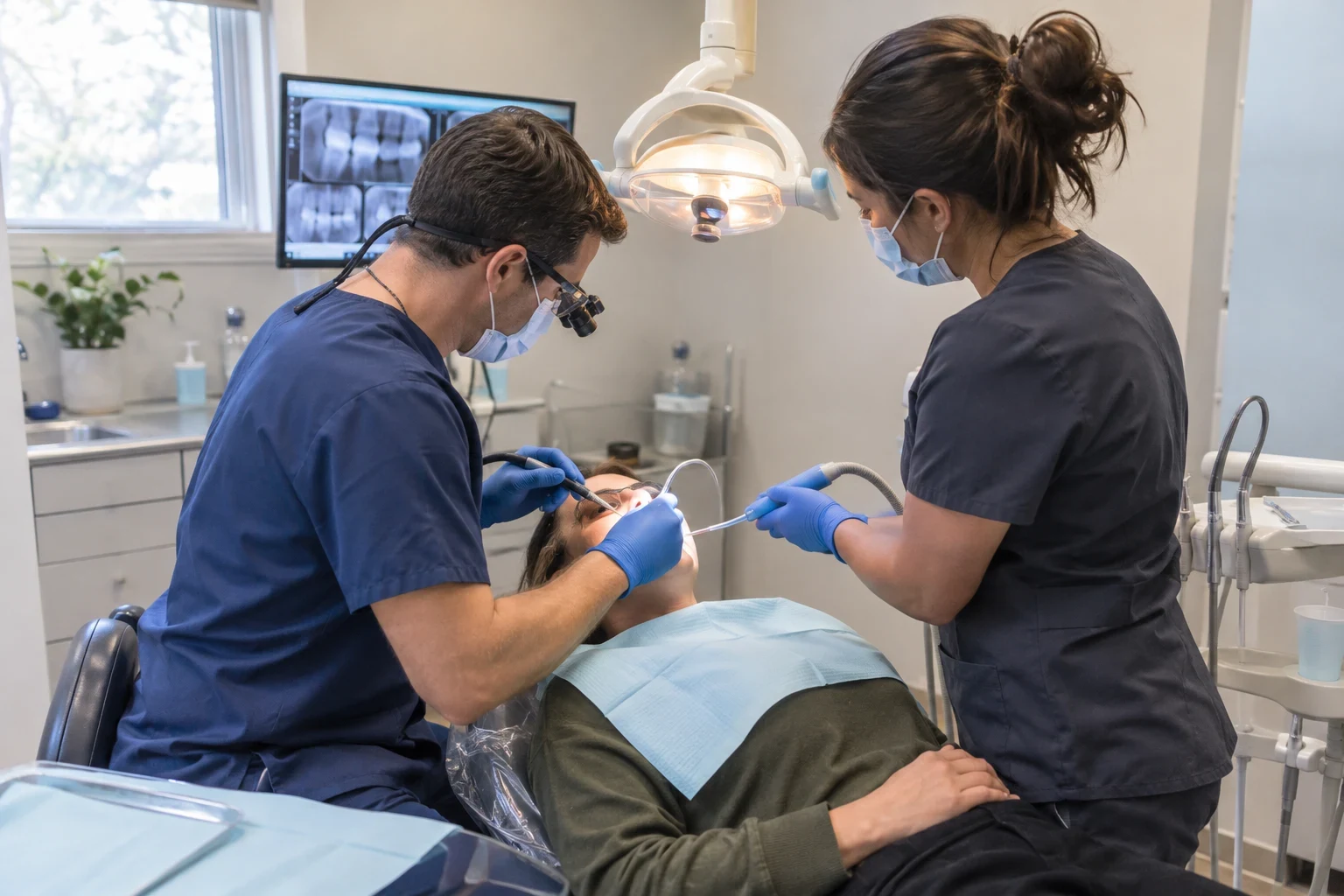
Get it looked at before it gets worse. We'll tell you if it can be saved, what removal costs and what comes next. We see patients from Ashland, Framingham, Holliston and nearby towns.